How do the public feel about data linkage? And does learning more about it change their views?
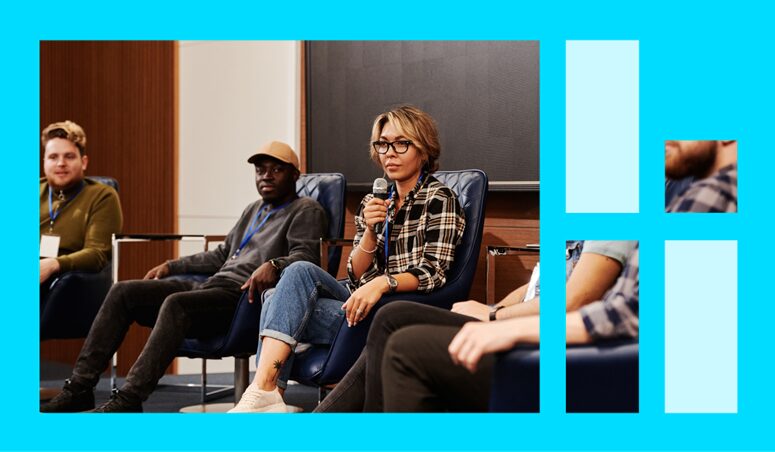
To find out, we held three workshops over three months with 14 members of the public. Our aim was to find out their views on data linkage, provide them with more information about linkage, and explore whether increased knowledge would change their opinions. We then shared the findings at the International Population Data Linkage Network (IPDLN) Conference in Rotterdam.
Starting with Caution
Initially participants had mixed views about data linkage; while some could see potential benefits, the most common reaction was caution. Many people felt wary about how their information might be used.
Through the workshops, we explored these concerns in more detail, educating the public on different areas of data linkage and giving participants the opportunity to discuss and question different aspects. Each workshop had an interactive task that was the focus of the session.
Session 1: Exploring Ethical Concerns
In the first workshop participants were asked what ethical issues they could see with data linkage. We asked participants to work together to rank their answers and agree the five most important concerns:
- Confidentiality
- Consent
- Privacy
- How data is used
- Who owns the data
We then discussed each of these topics and explained the safeguards and processes that help address them within data linkage research.
Session 2: What Information Do People Need?
For the second workshop, we gave participants three different data linkage scenarios:
- Health and education data linkage
- Financial and social care data linkage
- Police and energy consumption data linkage
For each scenario, we asked the same question: ” What information do you need to make a decision/judgement on whether a particular linkage of your data is ethically sound?”. Although there were subtle differences in participant’s answers, overall, four main themes appeared consistently:
- Who is the research being done on?
- Why is the research being carried out?
- What measures are in place to protect confidentiality?
- What are the benefits versus the risks?
Session 3: The Impact of Data Linkage Errors
In the final workshop, we explored two types of data linkage errors: missed links and false links. Participants discussed how these issues could affect the scenarios from Session 2.
Many were concerned that people with the most complex circumstances, who may also be those most in need of support, could be missed from research if links are not made correctly. They also worried that false links could lead to inaccurate conclusions and therefore this could affect policies, services or interventions if decisions are based on incorrect evidence.
From Cautious to Curious
At the end of the workshops, we measured participants final attitudes towards data linkage. This time the most common response to data linkage was curious rather than cautious. While participants still wanted to understand why data was being linked and how it would be used, they reported feeling less worried and more inquisitive. With participants also saying they felt they knew more about data linkage after the sessions.
The Value of Public Involvement
Participants emphasised how much they had enjoyed being involved in the workshops. They described the workshops as interesting and felt that we had made a difficult topic easy to understand. They were also very keen for there to be more public involvement within data linkage research.
Taking Public Voices to an International Conference
Our patient and public involvement (PPI) member Georgina Ferguson-Glover presented this project at the IPDLN Conference in Rotterdam.
Georgina was one of only a small number of PPI contributors presenting at the conference – much of the work around PPI was presented instead by researchers. We believe that having a public contributor present the work created added interest; the presentation was very well received, and we had plenty of questions afterwards as to what our next steps for public involvement were.
“I really enjoyed being so involved in the project and coming to Rotterdam to present at my first international conference was very exciting! The other talks on public involvement were particularly interesting for me and I learnt a lot more about some of the intricacies of data linkage. I think this project showed just how interested the public are in being involved in data linkage research projects and they need more opportunities to get involved.”
Find Out More
The slides from Georgina’s presentation can be viewed in SPRINT‘s outputs