FRAME examines the effectiveness of medicines used to treat blood pressure during pregnancy and determine whether their effects differ by ethnicity.
Clinical trials in pregnancy are difficult to conduct, resulting in there being little evidence about which medicines are most effective for treating high blood pressure. It is especially hard to have enough women of Black or Asian ethnicity to examine whether treatment should differ by ethnicity. This leaves health teams with limited evidence to guide treatment decisions that could affect the health of mother and baby.
FARME (Federated Research on Anti-hypertensives Maternity Emulation Trial) aims to learn from past medical records of women who have taken different drugs for high blood pressure. Women can then be prescribed medication that is right specifically for them which could reduce harm to the mother and baby and ensure doctors have a good evidence base for what they prescribe.
This work is led by Swansea University and includes King’s College London, Birmingham University and Edinburgh University.
This work uses the TELEPORT which helps bring data together from different areas of the country. This means we will have enough people to be able to look specifically at people who are Black or Asian and have been given different medications. We can use this information to say what the right medication is for them.
What FRAME aims to achieve
By the end of the project, the FRAME team aims to:
- Outlining effective treatments – Identifying which medications are most effective at controlling high blood pressure for women from different ethnic groups, including White, Black and Asian women.
- Evaluating differences in treatment response – Understand whether the effects of these medicines differ by ethnicity.
- Assessing long-term outcomes – Examine the long-term effects to the baby by following up the health of the baby over the first 2 years of life.
Progress so far
Within the first six months, the FRAME team has:
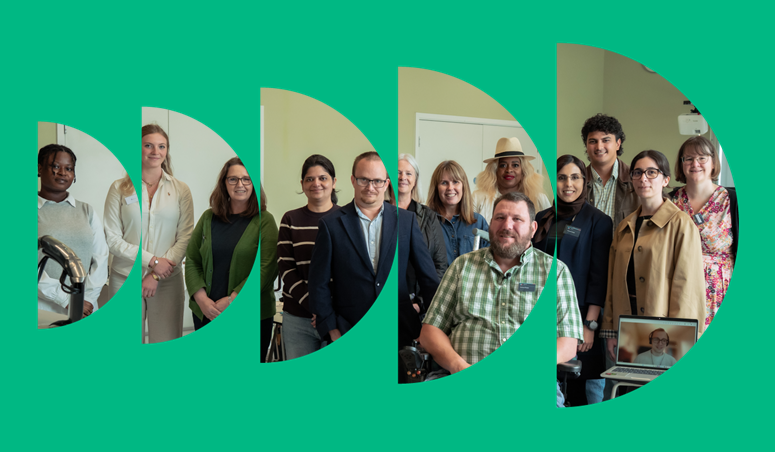
- Met with our Public Involvement Group to discuss our approach, methods and plans for the project.
- Developed the study protocol, setting out how the research will be carried out, and submitted it to BMJ Open for publication.
- Identified the women who had high blood pressure and needed treatment during pregnancy. We have also matched women with the same ethnicity, but who were given different medications to see which medication is better.
The next step is to bring the data together in one place to allow robust analysis without risking patient privacy. We are also putting on two online workshops in February and March 2028. These workshops will present our findings and lessons learned to discuss with others in this field, and work with patients and the public in interpreting and communicating the findings.
Relevance to TREvolution
FRAME demonstrates how Trusted Research Environment (TRE) capabilities can enable sensitive health research where individual datasets contain too few people to produce meaningful or non-disclosive results. Using TELEPORT to bring data together from different areas will provide enough people to examine differences in treatment outcomes by ethnicity while protecting patient confidentiality. The learning from FRAME will help inform how TREs can support similar research involving small or under-represented groups across the UK.
About the DARE UK Research Exemplars
The DARE UK Research Exemplars are short, impactful research projects demonstrating how emerging Trusted Research Environment (TRE) capabilities can support real-world sensitive data research across the UK. Working across multiple TREs and research domains, these projects bring together researchers, TRE operators, public contributors and other partners to apply and evaluate innovations developed through TREvolution. Their role is to test new approaches in live research settings, generating practical evidence on what works well, what challenges remain, and how sensitive data research can be strengthened for the public good.